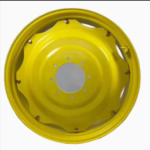
Your tractor’s wheel rims carry the weight of your equipment and the punishment of the field — but with the right maintenance, they can deliver years of reliable service. Here are the essential practices that keep rims true, strong, and corrosion-free.
1. Check Tire Pressure Regularly
Proper tire pressure is the single most important factor for rim longevity.
- Under-inflation causes the tire to flex excessively, transferring heat and stress to the rim bed and bead seat area.
- Over-inflation makes the tire stiff and transmits hard impacts directly to the rim.
Check pressure cold, at least weekly during heavy use, and always follow the tire manufacturer’s recommended pressure for your load.
2. Retighten Wheel Bolts After Installation
Wheel bolts and nuts can loosen during the first hours of operation as components settle.
- After mounting a rim, re-torque the bolts after the first 1–2 hours of work.
- Thereafter, check torque every 10–15 hours or at each service interval.
- Always tighten to the manufacturer’s specified torque, in a criss-cross pattern, never in sequence.
A loose wheel causes rim fatigue, bolt-hole wear, and dangerous wobble.
3. Keep Rims Clean — Especially After Chemical Work
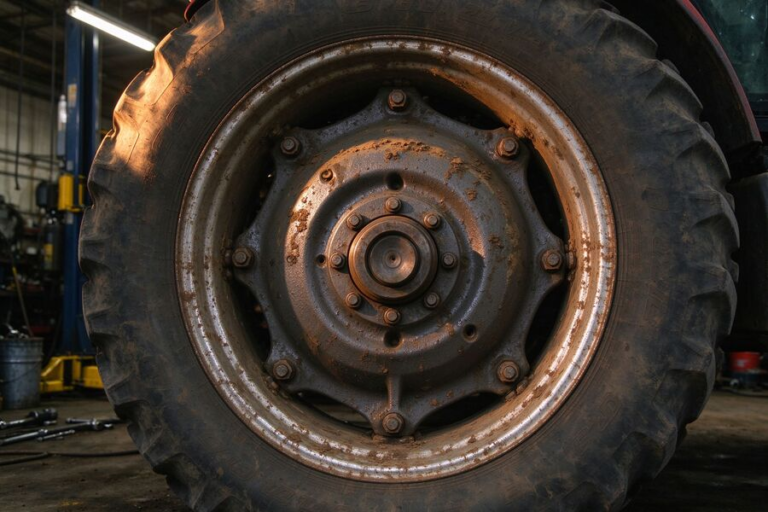
Field mud is harmless; fertilizers, pesticides, and animal waste are not. These chemicals accelerate corrosion, especially around the bolt holes, valve hole, and weld seams.
- Wash the rims with water after any chemical application work.
- For heavy buildup, use a mild detergent and rinse thoroughly.
- Dry or let air dry before long storage — trapped moisture is a corrosion starter.
4. Avoid Overloading
Every rim is rated for a maximum load. Overloading causes:
- Fatigue cracks around bolt holes and the disc-to-rim weld
- Permanent distortion of the rim profile
- Premature tire and bearing failure
Know your load, and match the correct rim and tire combination — do not “just make it fit.”
5. Drive Gently Over Obstacles
Rough terrain is unavoidable on a farm, but how you cross it is not.
- Reduce speed over ruts, rocks, and field edges.
- Avoid hard impacts at the bead area — sharp impacts are a leading cause of rim cracking and air loss.
- When possible, use wide or flotation tires for soft or rocky ground to spread the load.
6. Inspect Welds and the Rim Profile
Rims fail at predictable places. A quick visual check catches problems early:
- Weld seams (disc-to-rim, rim joint): look for cracks or rust lines forming.
- Bolt hole area: look for egg-shaped or elongated holes — a sign of loose bolts over time.
- Bead seat and flange: look for dents, distortion, or rust pitting where the tire seats.
If a crack is found, do not weld it yourself in the field — consult the rim manufacturer. A repaired rim may not meet the original load rating.
7. Protect Against Rust
Rust is not cosmetic — it reduces the effective steel thickness and hides developing cracks.
- Touch up any scratches, chips, or bare spots with a compatible paint as soon as they appear.
- On galvanized rims, avoid anything that scratches the zinc layer; treat nicks promptly.
- In humid or coastal areas, consider periodic rust-preventive treatment on the wheel.
8. Store Properly During Off-Season
Long idle periods can be as damaging as hard work.
- Store the tractor off the ground (on stands) so the rims and tires are not constantly loaded.
- Or rotate the wheels periodically to prevent flat-spotting and localized rim stress.
- Keep tires at the recommended pressure, and keep the area dry and away from direct UV if possible.
- If wheels are removed for storage, clean them, treat any bare metal, and store them flat and dry.
9. Balance When Needed
Vibration at road speed is not normal.
- If the tractor shakes at transport speed, have the wheel/tire assembly checked and balanced.
- Balance weights prevent the constant pounding that fatigues rims, bearings, and steering components.
A Final Word
The rim is the backbone of your wheel assembly — it is what connects the tire to the axle, and it takes every shock the field throws at it. Regular pressure checks, bolt torque, cleanliness, and a quick visual inspection will keep your tractor wheel rims true, safe, and working for years.
Agriovrim — agricultural wheel rims engineered for strength and built to last. Need replacement rims or technical advice on the right wheel for your tractor? Contact us.